Posts

Showing posts from July, 2025
Image
ALZHEIMER'S DISEASE TREATMENT UPDATE Researchers at UC San Francisco and Gladstone Institutes may have found a way to reverse Alzheimer's—using two drugs that were initially developed to fight cancer. By analyzing gene expression data, the team found that certain FDA-approved cancer drugs can counteract the changes Alzheimer's disease makes in the brain. Their approach began with a big question: Which genes go awry in Alzheimer's, and are there any existing drugs that reverse those gene changes to normal? The researchers compared the altered gene patterns in brain cells from Alzheimer's patients to the effects of more than 1,300 medications. Their goal was to find drugs that could reverse the damage, especially in neurons and glia, the two cell types most severely affected by the disease. They didn't stop at the lab. The team also combed through millions of anonymous medical records and noticed that people who had been treated with certain cancer drugs seemed le...
Image
  PAIN RELIEF WITH VIRTUAL REALITY What if you could ease Pain without ever popping a pill? That’s the question researchers at the University of Exeter set out to answer—and their findings are surprisingly hopeful. According to a new study in Pain, simply slipping on a VR headset and wandering through virtual forests and waterfalls can take the edge off Pain, sometimes as much as medication does. Here’s how they figured it out: Volunteers were given mild electric shocks on their forearms to mimic the experience of chronic Pain. Then, they either watched lush nature scenes on a regular screen or got the full immersive treatment in 360-degree virtual reality. The results weren’t even close—those who explored nature in VR reported almost twice the pain relief as the group watching on a flat screen. Even better, the relief lasted at least 5 minutes after the headset came off. Dr. Sam Hughes, who led the project, wanted to know if VR could bring the calming, pain-dulling effect of natur...
Image
WEIGHT LOSS DRUGS: HIDDEN DANGERS GLP-1 medications, such as Ozempic, are frequently featured in the news for their potential to induce rapid weight loss. Still, new research from the University of Virginia is sounding the alarm: while you might be dropping pounds, you could also be losing valuable muscle—and that could have long-term consequences for your health. The UVA team acknowledges these drugs can be life-changing for people with obesity, type 2 diabetes, or heart failure. Patients often experience improved blood sugar levels, enhanced heart and kidney function, and, in some cases, even longer lives. But there’s a significant downside: the weight lost isn’t all fat. A considerable portion is muscle, which is essential for strength, movement, and heart health. “Some of my patients have told me they can actually feel their muscles wasting away,” says Dr. Zhenqi Liu, a professor at UVA’s School of Medicine. “That’s concerning. Muscle isn’t just for athletes—it’s critical for postu...
Image
 INSOMNIA TREATMENTS: NATURAL APPROACHES If you’ve been stuck in an endless loop of sleepless nights, there’s good news: you might not need a new prescription after all. New research points to an unexpected set of remedies—yoga, Tai Chi, walking, and jogging—that can help you sleep better, minus the long list of side effects that come with most insomnia meds. A new review in BMJ Evidence-Based Medicine looked at dozens of sleep studies, comparing everything from therapy to medication to plain old moving your body. The big takeaway? Getting active—especially through Tai Chi—pays off. People who tried exercise-based approaches slept longer, spent less time staring at the ceiling in the middle of the night, and woke up feeling more rested. Yoga, for instance, helped people rack up more sleep and actually feel it. Jogging made my insomnia symptoms fade. Tai Chi improved almost everything about sleep: quality, duration, how quickly you fall asleep, and how often you wake up at night. In...
Image
SLEEP IMPROVEMENT: ROUTINES MATTER A new international study has found that irregular sleep schedules—like going to bed at different times every night or having a disrupted internal clock—could put you at higher risk for dozens of diseases, from liver problems to circulatory disorders. The research examined sleep data from over 88,000 adults tracked for almost seven years, and the results are pretty eye-opening: poor sleep habits were associated with increased risk of 172 different diseases. What stood out was that sleep regularity matters just as much—if not more—than how long you sleep. People who went to bed after 12:30 a.m. had more than double the risk of developing liver cirrhosis compared to those with steadier routines. Another finding: those with unstable daily rhythms were much more likely to develop gangrene. The study also challenges the idea that sleeping more than 9 hours is harmful. When researchers used wearable devices to objectively measure sleep, they found that “lon...
Image
   DIABETICS BOOST HEALTH WITH BIWEEKLY WORKOUTS If you’re living with diabetes, you don’t have to spend every waking moment in the gym to keep your heart safe. In fact, fresh research tracking over 50,000 adults with diabetes says you can get real benefits from being active just a couple of times a week. Whether you cram your workouts into the weekend or spread them out, it doesn’t matter much—so long as you reach about 150 minutes of moderate-to-vigorous movement each week . The study—published in the Annals of Internal Medicine—crunched data from more than two decades of the National Health Interview Survey. People were grouped by how much they moved: some were inactive, some got a little exercise, some were “weekend warriors,” and others spread their activity across the week. The results were pretty clear: anyone who managed regular activity, whether all at once or spaced out, slashed their risk of dying from heart disease by about a third, and their risk of dying from any...
Image
    PISTACHIOS: SUPPORT GUT HEALTH  A recent study from Penn State brings fresh insight into how what you eat before bed can shift the balance of bacteria in your gut—and why that matters, especially if you’re managing prediabetes. The research found that swapping your usual nighttime carbs for pistachios did more than add variety to the routine; it actually encouraged the growth of beneficial gut bacteria. In the study, 51 adults with prediabetes replaced their typical bedtime carb snack—such as a slice or two of whole-grain bread—with approximately two ounces of pistachios every night for 12 weeks. The results stood out: the pistachio group showed a boost in beneficial bacteria, including Roseburia and other members of the Lachnospiraceae family. These microbes produce butyrate, a compound that supports the gut lining and helps reduce inflammation. At the same time, bacteria linked to adverse health impacts, such as Blautia hydrogenotrophica and Eubacterium flavonifract...

SUGAR SUBSTITUTE MAY HARM THE BRAIN

Image
 SUGAR SUBSTITUTE MAY HARM THE BRAIN A new study from the University of Colorado Boulder is raising concerns about erythritol, a sugar substitute found in products ranging from low-carb ice cream to “sugar-free” sodas. Once marketed as a safe choice for people with obesity and diabetes, erythritol may pose unexpected dangers to brain health—even in small amounts. Researchers discovered that exposing brain blood vessel cells to levels of erythritol similar to those found in a typical sugar-free beverage resulted in several harmful changes. The treated cells produced less nitric oxide, a compound that helps keep blood vessels relaxed and open. At the same time, they made more endothelin-1, a protein that tightens blood vessels. When researchers introduced a substance that would usually trigger a clot, cells exposed to erythritol were less able to produce t-PA, a natural enzyme that helps break down clots. The cells also generated more reactive oxygen species—free radicals that can da...
Image
  SHARK ENCOUNTERS:  A SURVIVAL GUIDE Worried about sharks while swimming in the ocean? You’re not alone—but the facts might surprise you. The odds of getting bitten by a shark are less than 1 in 4 million. You’re actually more likely to be injured by fireworks, lightning, or even your own bathroom floor. Still, a little know-how goes a long way toward making sure your next swim is safe and stress-free. Here’s how to lower your already tiny risk even more. First, stick close to shore—less than 80 feet is a good guideline. The vast majority of shark attacks happen within 100 feet of the beach, but being close to land means you can get help faster and avoid deeper waters where sharks tend to roam. Swim with friends: sharks are much less likely to approach a group than a solo swimmer. In fact, researchers have found that most shark attacks occur when people swim alone. Timing matters, too. Avoid swimming at dawn, dusk, or nighttime. These are the hours when sharks are most active...
Image
 RIP CURRENTS: STAYING SAFE IN THE OCEAN Rip currents—sometimes called riptides—are one of the scariest things you’ll find at the beach, and most people don’t even see them coming. But the truth is, if you know how to spot one and what to do if you get caught, you’re already miles ahead of most swimmers. Here’s what science—and lifeguards—want you to know before you dive in. How to Dodge a Rip Current First rule: swim where the lifeguards are. Those flagged areas on the sand? They’re not just for decoration. Lifeguards check them for hidden dangers, and they’re ready if something goes sideways (Bradstreet & Brander, 2014). Next, keep your eyes peeled for trouble. Rip currents don’t come with a big warning sign, but you can spot the clues: look for water that’s a darker shade than the rest, places where waves seem to skip breaking altogether, or a sneaky river of water heading back out to sea. If the water looks odd compared to its surroundings, you might be looking at a rip (Le...
Image
 MUSCLE LOSS AND AGING: CAUSES, IMPACT, AND MANAGEMENT Muscle loss, or sarcopenia, doesn't just show up in your eighties—it starts quietly as early as your thirties and tends to speed up after sixty. A combination of factors causes this decline. As we age, our bodies naturally produce less growth hormone and testosterone, and low-level inflammation begins to take hold. Additionally, our muscles become less efficient at building new protein, our mitochondria—the powerhouses of our cells—don't function as well, and we lose some of the motor neurons that instruct our muscles to move. All these factors combine to make it more challenging to maintain or rebuild muscle (Physiological Reviews; Revista Ciencias de la Salud; The American Journal of Clinical Nutrition). Losing muscle isn't just about feeling weaker. Sarcopenia makes everyday tasks, such as walking or standing up from a chair, significantly more challenging. It raises the risk of falls and fractures, which can threate...
Image
  EMOTIONAL EATING: CAUSES AND SOLUTIONS Ever find yourself reaching for a snack not because you’re hungry, but because you’re stressed, bored, or upset? That’s emotional eating—and it’s more common than most people realize. Food becomes a quick fix for tough feelings, whether it’s a leftover habit from childhood (“Here, have a cookie, you’ll feel better!”) or something tied to hormones, stress, or even your genes. If you want to break free from the cycle, start by getting curious about your own habits. The next time a craving hits, pause and ask yourself: “Am I actually hungry, or is something else going on?” Keeping a food-and-feelings journal for a week can be eye-opening. You’ll start to notice patterns—maybe you always crave chips after a stressful meeting, or ice cream when you’re lonely. Cognitive Behavioral Therapy (CBT) is one of the best tools out there for untangling the thoughts and triggers that lead to emotional eating. A therapist can help you spot the moments when y...

Image
  WALNUTS HELP LOWER LDL         If you’re looking for a snack that’s good for your heart, try grabbing a handful of walnuts every day. New research published in Circulation, the journal of the American Heart Association, found that eating about half a cup of walnuts daily for two years helped healthy older adults lower their “bad” LDL cholesterol. Not only did their LDL drop, but the number of those pesky small LDL particles—thought to be even worse for your arteries—also went down. What makes walnuts so special? They’re loaded with omega-3 fatty acids (the same kind you find in salmon), which are famous for helping your heart. According to Dr. Emilio Ros, who helped run the study, walnuts do more than just lower cholesterol numbers—they actually improve the quality of your cholesterol particles, making them less likely to clog up your arteries. The study followed over 700 adults ages 63 to 79, living in both Barcelona, Spain, and Loma Linda, California. Half t...
Image
  CHRONIC PAIN: UTRASOUND MAY HELP :         Pain’s supposed to be the body’s fire alarm. Stub your toe, cut your finger, and it shouts, “Hey! Something’s wrong!” But for people living with chronic pain, the alarm system breaks down. Their brains keep crying emergency—even for injuries that have healed, limbs that are long gone, or aches no doctor can easily explain. For these folks, relief is always just out of reach. But a group at the University of Utah might have finally found something that actually works. Researchers from the John and Marcia Price College of Engineering and the Spencer Fox Eccles School of Medicine have been working on an experimental therapy that does some pretty wild things—and it’s already helping people after just one session. Now, they’re moving into the final phase of clinical trials and are looking for volunteers. At the heart of this research is a device called Diadem. Instead of medicine or surgery, Diadem uses ultrasound—like the...
Image
  GLUTATHIONE: FACTS AND FICTION Glutathione is one of those behind-the-scenes players that keep your body humming along. It’s a natural antioxidant—your cells make it themselves—that helps mop up the daily wear-and-tear from stress, pollution, and just living. It keeps your immune system sharp, helps your liver detox, and generally keeps your cells out of trouble. But as we get older or face certain health issues, our glutathione levels tend to dip. That’s why you’ll see more and more people asking: Should I be taking glutathione supplements? What’s the Real Story? Immune Boost and Antioxidant Power: Animal studies show that adding glutathione to the diet can help slow the decline in immune function associated with aging (Furukawa et al.; see Taylor & Francis overview). Sounds promising, right? The catch is, when researchers look at humans, the picture gets a lot fuzzier. Can Supplements Raise Glutathione? There’s at least one good study showing that healthy adults taking glut...

TAURINE: USE AND EFFECTIVENESS

Image
 TAURINE: USE AND EFFECTIVENESS Taurine is a naturally occurring compound found in the body, particularly in tissues such as the heart, brain, and muscles. Over the past few years, it has garnered considerable attention as a supplement, typically used for heart health, exercise performance, and metabolic support. Here’s what the latest peer-reviewed research actually shows, and what you should keep in mind if you’re considering taking it. Cardiovascular Health Several meta-analyses and reviews suggest that taurine supplementation may help regulate blood pressure, support healthy blood vessels, and possibly lower the risk of cardiovascular disease. For example, a systematic review published in the Nutrition Journal (2024) found associations between taurine intake and improvements in cardiovascular markers. However, it also notes that there is no consensus yet on the optimal dose or duration  of supplementation. Most experts agree that more rigorous studies are needed ...
Image
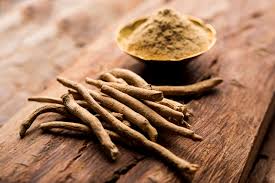
ASHWAGANDHA: WHAT SCIENCE HAS DISCOVERED   Ashwagandha (Withania somnifera) has been the subject of considerable scientific interest, particularly for its effects on stress, anxiety, cognitive function, and overall health. Stress and Anxiety: Several systematic reviews and meta-analyses of randomized controlled trials have found that ashwagandha supplementation may significantly lower both stress and anxiety. For example, research participants using ashwagandha extract often report marked improvements on standardized measures, such as the Perceived Stress Scale, sometimes within a few weeks of starting supplementation. The proposed mechanism centers on ashwagandha's ability to reduce cortisol (the body's primary stress hormone) and to regulate stress-response pathways. Clinical studies generally report that the herb is well tolerated, with a favorable safety profile ( Elsevier , Wiley Online Library , Medicine ). Cognitive Function: Research also suggests benefits for memory an...